
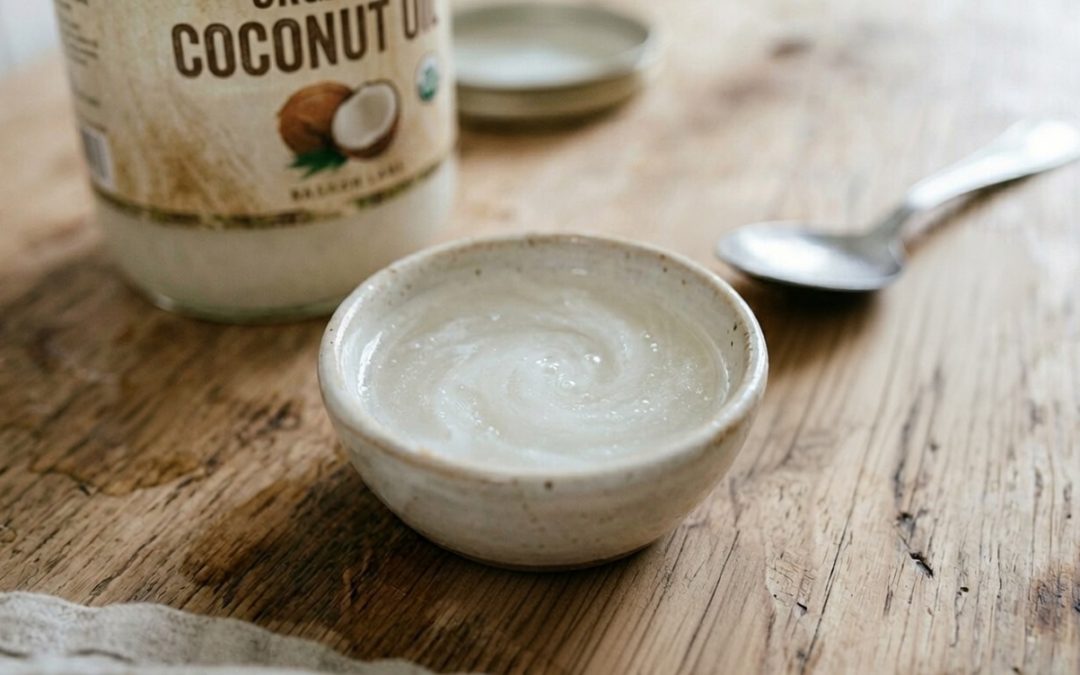
A Rootfresh‑aligned deep dive
Oil pulling has been trending for years, but the practice itself is far older than the hype. Rooted in classical Ayurveda, it was originally described as a daily ritual to strengthen teeth, nourish gums, and support the body’s first line of defense: the mouth.
Today, modern microbiome science is finally catching up — and what it reveals is simple:
Oil pulling supports the oral ecosystem in ways traditional mouthwash cannot.
Below is a clear, evidence‑based breakdown of how it works and why it matters.
—
The Oral Microbiome: A Delicate, Intelligent Ecosystem
Your mouth contains over 700 species of bacteria, many of which are beneficial.
They help regulate pH, protect enamel, support gum health, and even influence digestion.
The problem?
Most commercial mouthwashes — especially those with alcohol or broad‑spectrum essential oils — wipe out good and bad bacteria indiscriminately.
This creates a “scorched earth” effect that can lead to:
• Dryness
• Rebound bad breath
• Microbiome imbalance
• Increased acidity
• Disruption of the protective biofilm
Oil pulling works differently.
—
Oil Pulling Works Through a Mechanical + Biochemical Process
Oil pulling isn’t magic — it’s chemistry and physics.
A. The Saponification / Detergent Effect
When oil mixes with saliva, it emulsifies into a thin, soap‑like substance.
This helps:
• Break down plaque
• Loosen debris
• Reduce harmful bacterial adhesion
• Clean the gumline without stripping tissues
This “detergent effect” is one of the most clinically interesting aspects of oil pulling. But please, do not confuse saponification with soap “detergent” foam.
B. Lipid Attraction (Lipophilic Action)
Many harmful oral bacteria have lipid‑based membranes.
Oil naturally binds to these lipids, helping lift them away from teeth and gums.
C. Gentle Tissue Lubrication
Unlike alcohol‑based rinses, oil pulling:
• Does not dry the mouth
• Does not disrupt mucosal integrity
• Helps soothe and nourish oral tissues
A hydrated mouth is a healthier mouth.
—
Evidence: Oil Pulling Reduces Harmful Bacteria Without Flattening the Microbiome
Multiple small clinical studies have shown that oil pulling can reduce levels of:
• Streptococcus mutans (linked to plaque and cavities)
• Candida albicans
• Aerobic bacterial counts associated with gingival inflammation
Importantly:
Oil pulling reduces harmful bacteria without the broad-spectrum kill effect of mouthwash.
This is the key difference.
—
Oil Pulling vs. Chlorhexidine (The Strongest Mouthwash)
Chlorhexidine is considered the “gold standard” antimicrobial rinse — but it’s so strong it’s typically prescribed short‑term.
Studies comparing sesame oil pulling to chlorhexidine found:
• Both reduced plaque
• Both reduced gingival index
• Both reduced S. mutans
But only one did it without:
• Staining teeth
• Altering taste
• Flattening the microbiome
• Irritating tissues
Oil pulling supports balance.
Chlorhexidine forces suppression.
—
Why Oil Pulling Is a Better Daily Ritual Than Mouthwash
A. Mouthwash is aggressive.
Alcohol and essential oils can:
• Disrupt beneficial bacteria
• Increase oral dryness
• Raise acidity
• Trigger rebound bad breath
B. Oil pulling is gentle and supportive.
It:
• Cleans without stripping
• Supports mucosal health
• Helps maintain microbial diversity
• Reduces harmful bacteria through mechanical action, not chemical shock
C. It aligns with modern microbiome science.
The future of oral care is not “kill everything.”
It’s support the ecosystem.
Oil pulling fits that philosophy perfectly.
—
Does the Type of Oil Matter?
Short answer: Not as much as people think.
Consistency matters more than the specific oil.
But here’s the nuance:
• Sesame oil → most traditional, most nourishing
• Coconut oil → pleasant taste, thicker feel
• MCT oil → neutral, light, beginner‑friendly
All three can support the oral microbiome when used regularly.
—
How Oil Pulling Fits Into a Modern Routine (Rootfresh POV)
Oil pulling is not meant to replace brushing — it’s meant to prepare the mouth.
The ideal sequence:
1. Tongue scraping — removes overnight buildup
2. Oil pulling — supports gums + microbiome
3. Brushing with Rootfresh — remineralization + gentle cleansing
This creates a routine that is:
• Microbiome‑friendly
• Non‑stripping
• Nourishing
• Effective
• Rooted in both tradition and modern science
—
Oil pulling isn’t a trend — it’s a scientifically meaningful oral‑care ritual that supports the microbiome instead of disrupting it.
Where mouthwash relies on aggressive antimicrobial action, oil pulling works through gentle chemistry and mechanical cleansing.
The result is a cleaner, calmer, more balanced oral environment that sets the stage for healthier gums, fresher breath, and a stronger foundation for brushing.
For anyone looking to elevate their oral care routine, oil pulling is one of the simplest, most effective daily habits you can adopt.